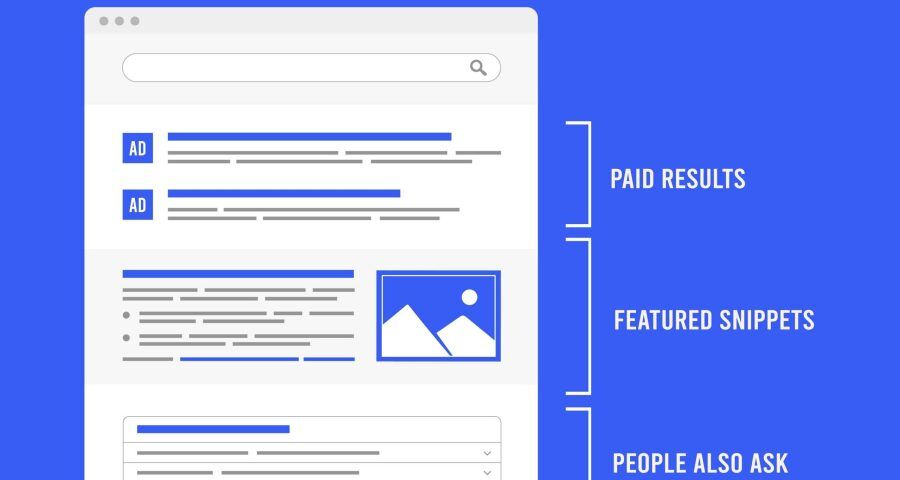

Google drops FAQ rich results from Search has become an important topic for businesses focused on organic visibility and search engine optimization. Google has reduced the visibility of FAQ rich results for many websites, which changes how brands approach structured data, content strategy, and search performance. For businesses everywhere, this update underscores the need for stronger SEO content focused on quality, expertise, and user intent, rather than relying solely on enhanced search features. In this blog, we will discuss how FAQ rich results have changed, what it means for search rankings, and content strategy.
Why Did Google Remove Many FAQ Rich Results From Search?
Google removed many FAQ rich results to improve the search experience and reduce low-value search features. The update places more focus on useful content, topical authority, and direct answers on the page itself rather than on expanded search snippets. Structured data and search engine results pages remain relevant, but they no longer guarantee additional visibility for most business websites.
Businesses should now focus on:
- Creating clear and informative website content. Pages should answer user questions naturally while supporting a strong SEO strategy.
- Building topical authority. Content clusters and service pages help search engines understand expertise in a specific industry.
- Improving user experience. Fast loading pages and readable formatting support both rankings and engagement.
This shift encourages businesses to invest in long-term content strategies rather than relying on a single search feature.
How Does the FAQ Rich Results Update Affect SEO Content Strategy?
The FAQ rich results update affects how businesses create blog content, landing pages, and informational resources. Search engines are rewarding pages that provide direct answers in a conversational format while still maintaining technical SEO best practices. Organic traffic and search intent are now even more important when developing website content.
For companies in competitive markets like Boston, local SEO content should focus on:
- Clear headings and question based formatting. This helps search engines and AI-assisted search tools better understand page topics.
- Helpful educational content. Readers are more likely to trust content that explains topics in simple language.
- Natural keyword placement. Overusing keywords can reduce readability and weaken overall performance.
Businesses that adapt their SEO strategy can continue to improve visibility even without FAQ rich snippets appearing in search results.
Can Structured Data Still Help With Google Search Visibility?
Structured data can still support search visibility, even though FAQ-rich results are more limited. Google continues to use schema markup to better understand page content, products, services, and local business information. Schema markup and technical SEO remain valuable parts of a complete optimization strategy.
Several structured data types still provide benefits:
- Local business schema. Helps search engines connect your business with local searches in Boston and nearby communities.
- Review schema. Supports credibility and trust signals for service-based businesses.
- Article schema. Helps search engines categorize educational content and blog posts.
A balanced SEO approach combines structured data with high-quality content, internal linking, and strong website performance.
What Should Businesses Focus on After Google Drops FAQ Rich Results?
Businesses should focus on creating trustworthy content that answers real user questions. SEO success now depends more on expertise, relevance, and content quality than enhanced search features alone. Content marketing and search visibility continue to shape how websites perform in competitive industries.
Strong post update SEO practices include:
- Publishing locally focused content for Boston audiences
- Updating outdated website pages regularly
- Improving page readability and mobile usability
- Building content around common customer questions
- Strengthening internal linking between related pages
Businesses that continue adapting to search engine updates are more likely to maintain stable rankings and long-term organic growth.
Learn More About SEO Updates With Boston Web Marketing in Boston
At Boston Web Marketing, we help businesses stay informed about important SEO updates and changes that affect organic search performance. Our team works with companies throughout Boston and Greater Boston to improve website content, technical SEO, local SEO strategy, and online visibility. We focus on creating educational and search-optimized content that supports long-term growth and stronger engagement. To learn more about SEO strategies after Google drops FAQ rich results from search, contact Boston Web Marketing online or call 857-919-4120 today.